

Since 2016, the International Handball Federation has welcomed eight new member nations. But as the presidential election approaches, efforts to verify activity and governance within these federations reveal a familiar pattern: silence, missing contacts, and limited transparency. Only one federation has responded to our questions about their handball programs.
Between 2000 and 2016, Hassan Moustafa’s tenure as IHF president saw the recruitment of 60 new member nations. By 2016, Play the Game reported a 40 percent increase in IHF membership since Moustafa first took office. At the time, Danish newspaper Politiken revealed that several of these new federations barely had functioning handball teams.
Since then, eight more nations have joined the IHF:
2017: Timor-Leste, England, Scotland, Jamaica, Fiji.
2023: Eritrea, Réunion.
2025: Ligue de Mayotte de Handball.
While England and Scotland vote collectively as Great Britain, the remaining federations each hold a potential vote in the December presidential election.
Efforts to contact these federations paint a stark picture. Questions sent by GoHandball to all new members included inquiries about the state of handball in the country, available leagues, teams, courts, referees, communication with IHF, and even which presidential candidate they plan to support.
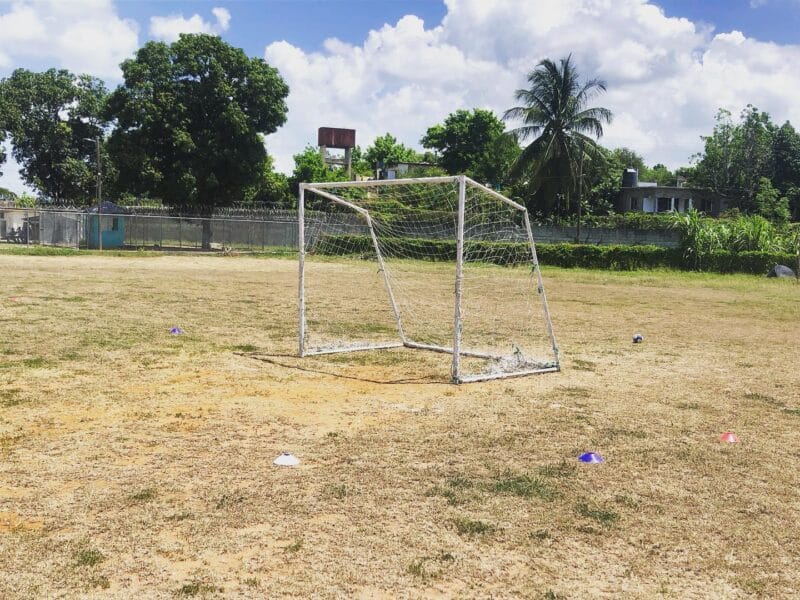
The only federation to respond (so far) is Jamaica, which described a nascent program: junior male and female teams, a small school league in development, and utilization of basketball and netball courts for practice. Jamaica emphasized that they are reviewing the presidential candidates and hope to embed handball into the local culture from childhood to adulthood.
For the others, contact attempts have largely failed:
Timor-Leste: No subscriber on listed phone numbers, no email response, and the federation president has not replied to our questions.
Fiji: Multiple unanswered calls, emails, WhatsApp messages, and attempts to reach the president.
Eritrea: No contact information listed on the IHF website and no federation website. Not listed among member federations any longer.
Réunion: Promised to respond but has remained silent.
Ligue de Mayotte de Handball: Cannot be reached via phone or email.
England: Calls reached voicemail, no answer to our questions via emails or LinkedIn.
Scotland: Votes together with England as Great Britain.
The pattern is strikingly familiar for those who follow IHF closely: new members are often difficult to reach, with limited visible handball activity, raising questions about the federation’s expansion and oversight processes.
As the December election approaches, these silent federations remain wildcards. The challenge of confirming their activity highlights a broader issue: IHF membership growth does not necessarily equate to active, verifiable handball programs, leaving observers to wonder why they were recruited in the first place, as there are no proof of the IHF helping to develop handball in those nations.
GoHandball have asked the IHF to comment.