

From Norway’s unprecedented dynasty to the Soviet Union’s powerhouse teams and France’s modern champions, these are the women’s national teams that defined eras, raised the standard and shaped the history of handball.
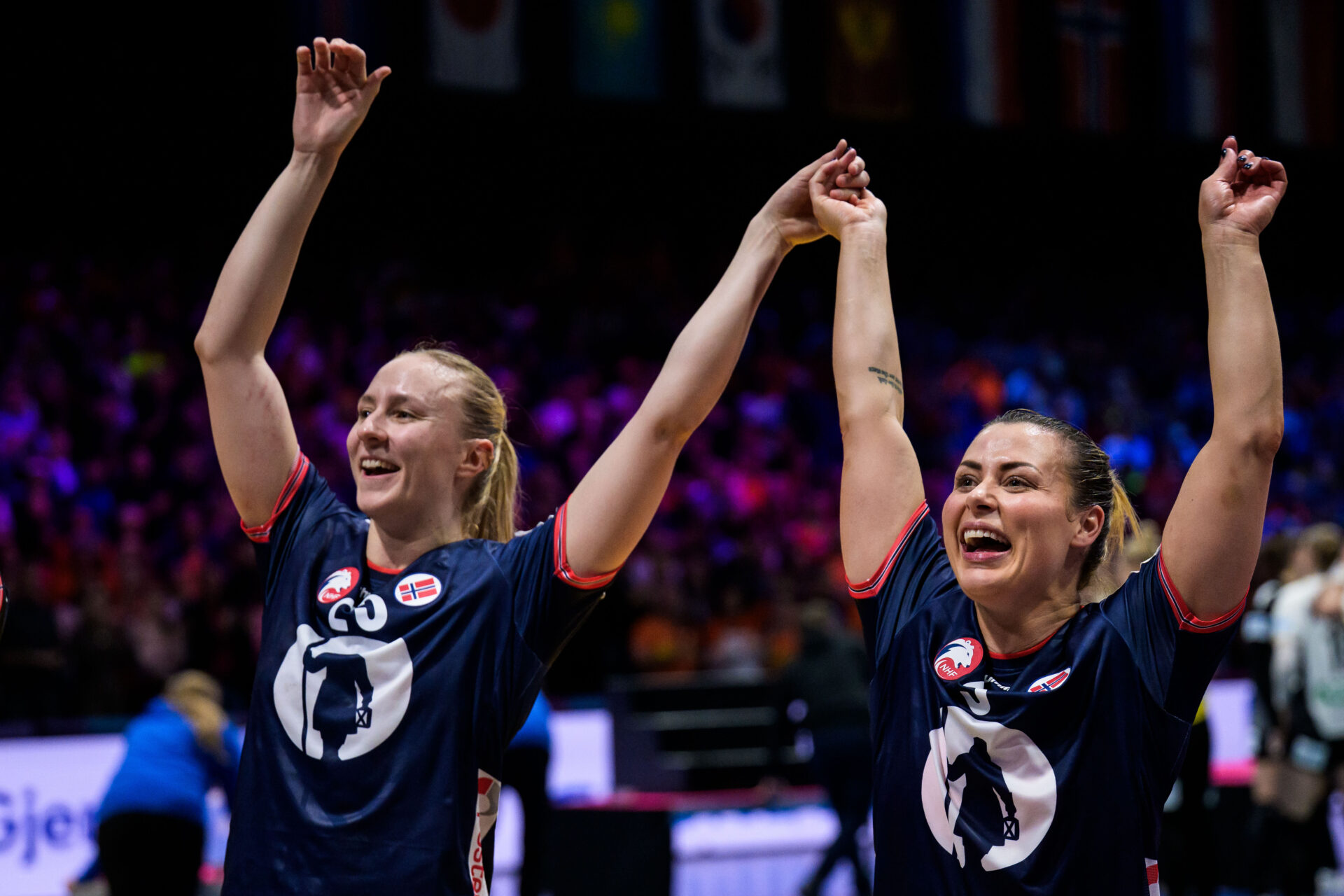
Norway (1990s-)

Photo: Joel Marklund / BILDBYRÅN.
The greatest women’s handball dynasty ever.
Achievements:
Multiple Olympic, World and European titles across two decades.
Why they matter:
No women’s team has combined longevity, tactical evolution and cultural dominance like Norway. They continuously regenerated without collapsing.
Key players across eras:
Gro Hammerseng-Edin
Heidi Løke
Katrine Lunde
Nora Mørk
Henny Reistad
Soviet Union (1970s & 80s)
A physically overwhelming superteam.
Achievements:
Olympic gold: 1976, 1980
World champions: 1982, 1986
Why they matter:
They introduced a level of athleticism and structure that changed women’s handball permanently.
Denmark (1990s & 00s)

Photo: BILDBYRÅN
One of the sport’s most beloved teams.
Achievements:
Olympic gold: 1996, 2000
European champions: 1994, 1996
Why they matter:
Denmark brought speed, creativity and charisma to women’s handball during a huge TV growth era.
Key players:
Anja Andersen
Camilla Andersen
France (2010s & 20s)

Photo: Carl Sandin
The modern defensive benchmark.
Achievements:
World champions 2017, 2023
Olympic champions 2020
European champions 2018
Why they matter:
France created one of the most tactically adaptable women’s teams ever, combining elite defense with incredible squad depth.
Key players:
Allison Pineau
Estelle Nze Minko
Pauletta Foppa
Russia (2000s)

An attacking masterpiece.
Achievements:
World champions: 2005, 2007, 2009
Why they matter:
Perhaps the most offensively gifted women’s team ever assembled.
Key players:
Lyudmila Postnova
Irina Poltoratskaya
Anna Vyakhireva