

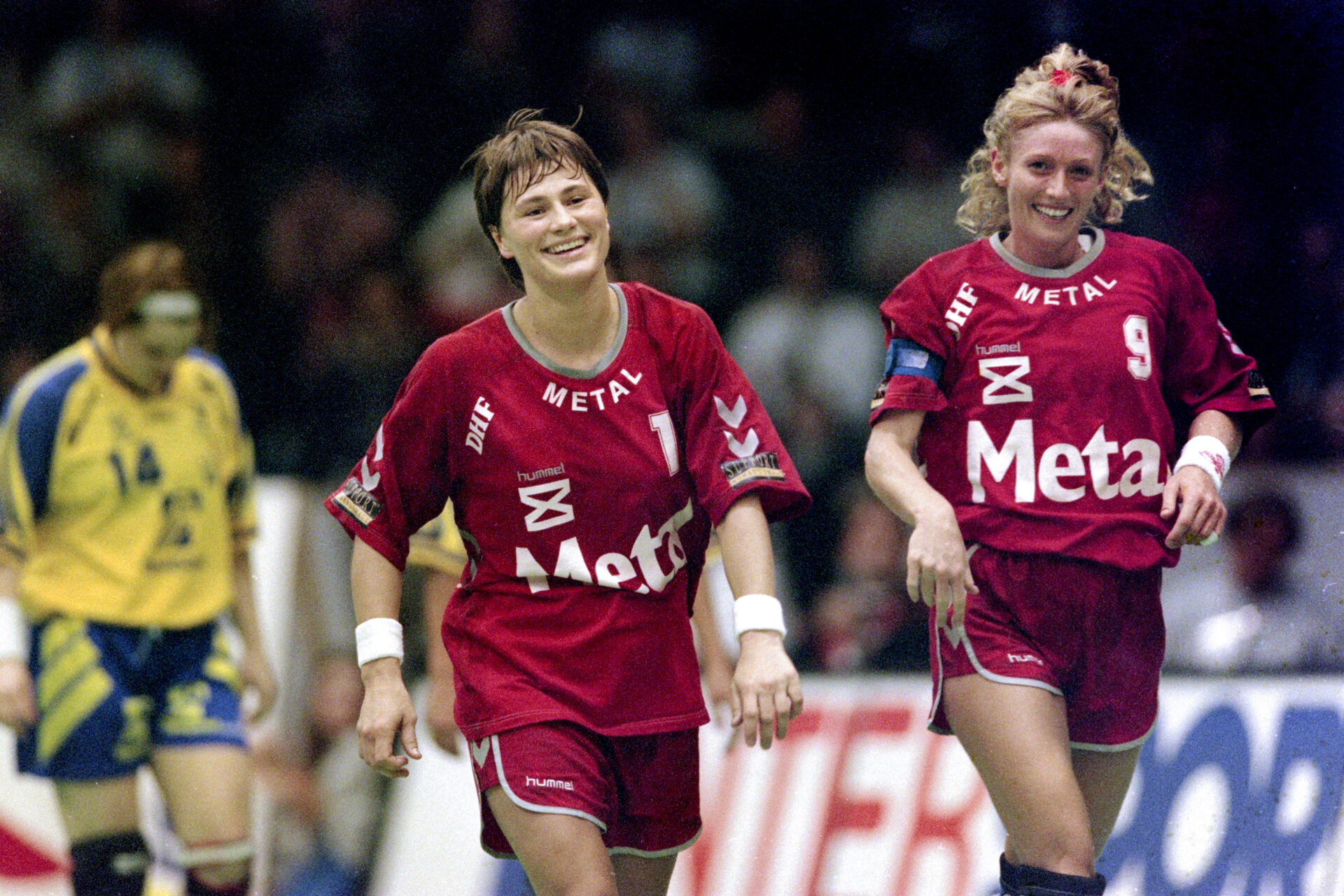
Women’s handball has undergone an explosive evolution, establishing itself today as one of the most dynamic and highly-watched team sports in the world. This journey has been propelled by extraordinary pioneers and visionaries who broke barriers, raised the technical ceiling, and showcased an unprecedented level of professionalism. We list ten female players whose unique traits and historic careers altered the DNA of the sport forever.
The rise of the women’s game into a global media product is a testament to the immense athleticism and charisma of its biggest stars. It is a journey that spans from the highly structured, tactical systems of the Soviet era to the hyper-athletic, fast-paced modern style dominated by Scandinavia.
Along the way, iconic players redefined individual positions, proved that technical finesses can overcome any defensive wall, and established new standards for sports longevity and professional leadership.
The following ten legends are the architects of modern women’s handball, each leaving an indelible mark on how the game is played today.
Anja Andersen
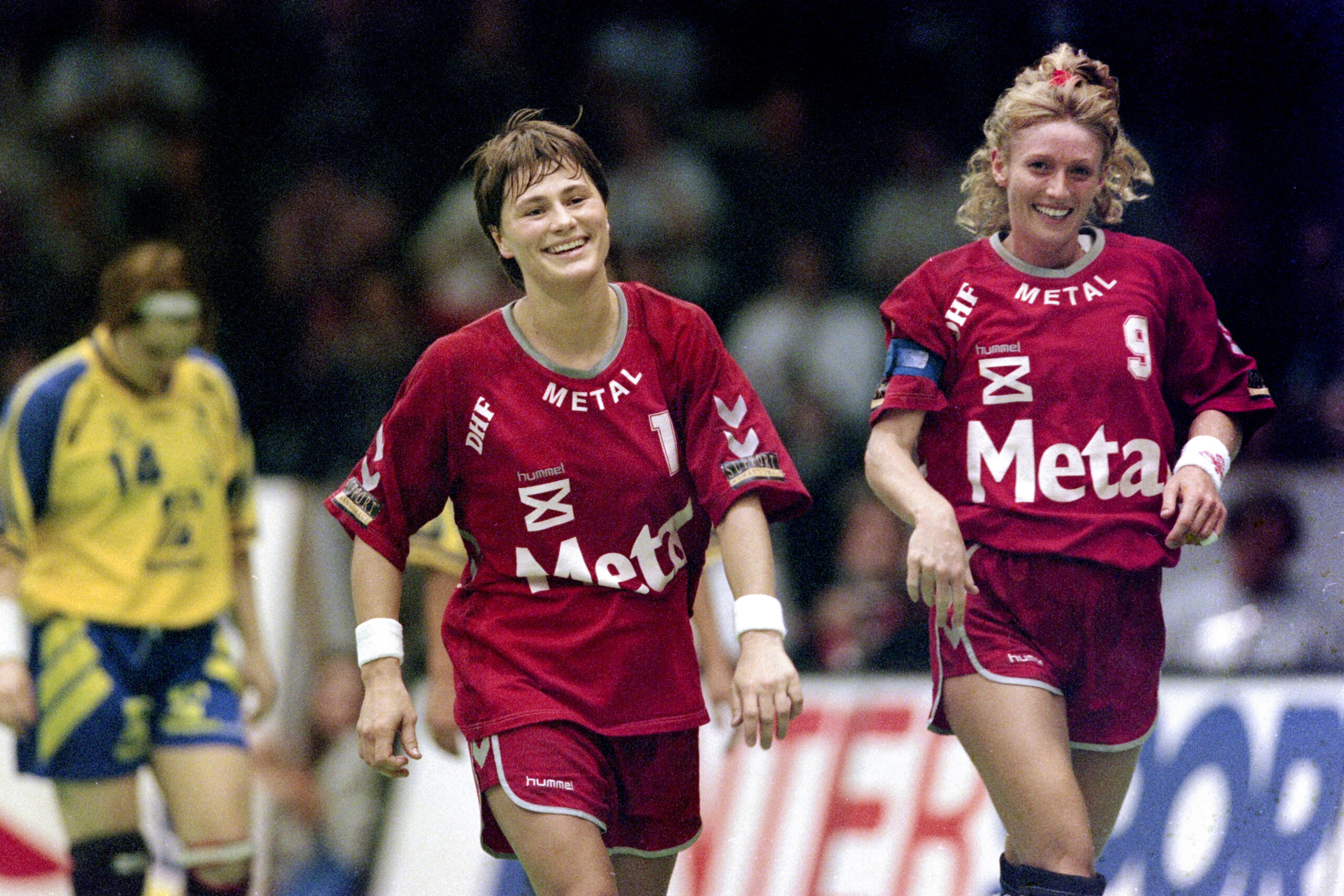
Photo: BILDBYRÅN
Denmark’s Anja Andersen was the ultimate showman of handball and a true force of nature. She didn’t just push the boundaries of what was considered technically possible on a court with her spectacular no-look passes and trick shots; she single-handedly transformed women’s handball into a premium entertainment product.
Through her colorful personality and immense charisma, she drew massive crowds and put the sport firmly on the global media map.
Heidi Løke
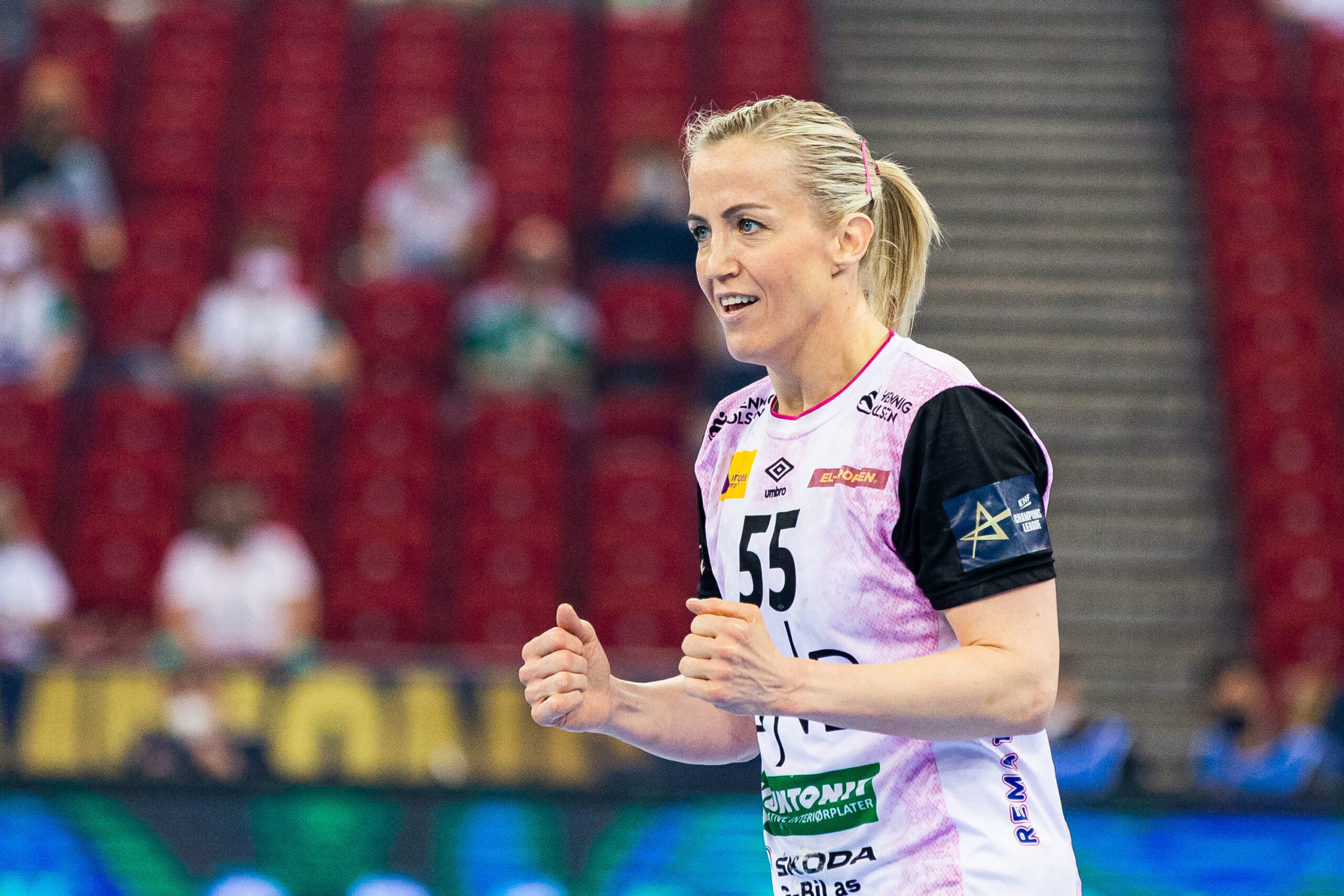
Photo: Nikola Krstic / BILDBYRÅN
The Norwegian powerhouse revolutionized the line player position through her incredible and relentless mobility. Before Løke, line play was largely a static battle of positioning and physical wrestling.
Løke introduced a style where she literally “ran defenses into the ground” with constant deep runs, transitions, and spatial re-adjustments. In doing so, she set a brand-new physical and endurance standard for the position.
Svetlana Kitić
The legendary Yugoslavian player Svetlana Kitić was a true pioneer, eventually voted the greatest female handball player of all time by the IHF. During the 1980s, she operated at a technical level and with a tactical vision that was decades ahead of her time. Kitić paved the way for the modern, complete handball athlete and laid the crucial foundations for the sport’s massive growth across Europe.
Cristina Neagu
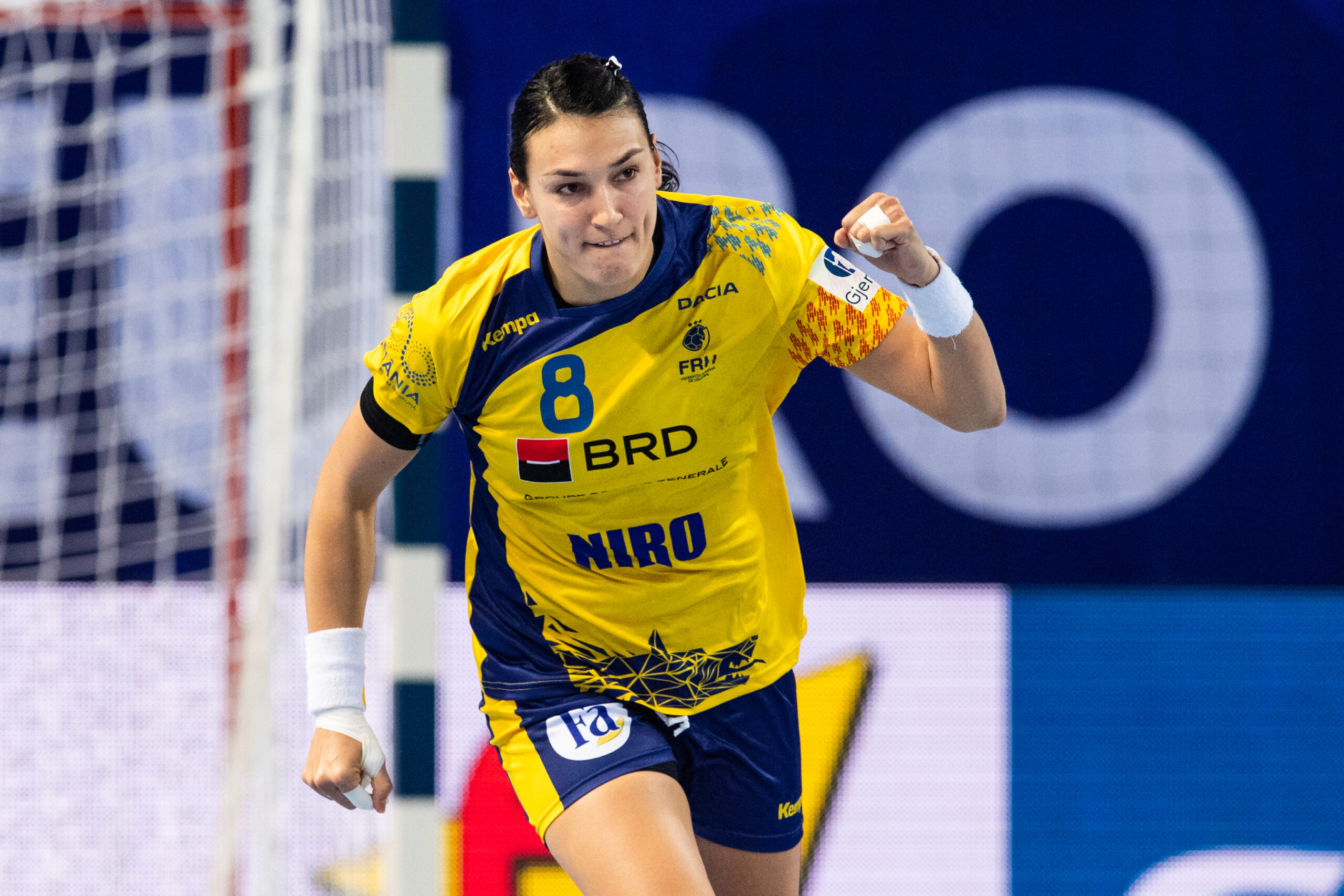
Photo: Fredrik Varfjell / BILDBYRÅN
The Romanian superstar carried both her national team and her club teams on her shoulders for well over a decade. Neagu set an entirely new standard for individual responsibility and professionalism in the women’s game.
By repeatedly returning from brutal, career-threatening injuries and continuing to dominate the world elite as one of history’s greatest shooters, she showcased a mental fortitude that changed the perception of what a single player can mean to a team.
Gro Hammerseng
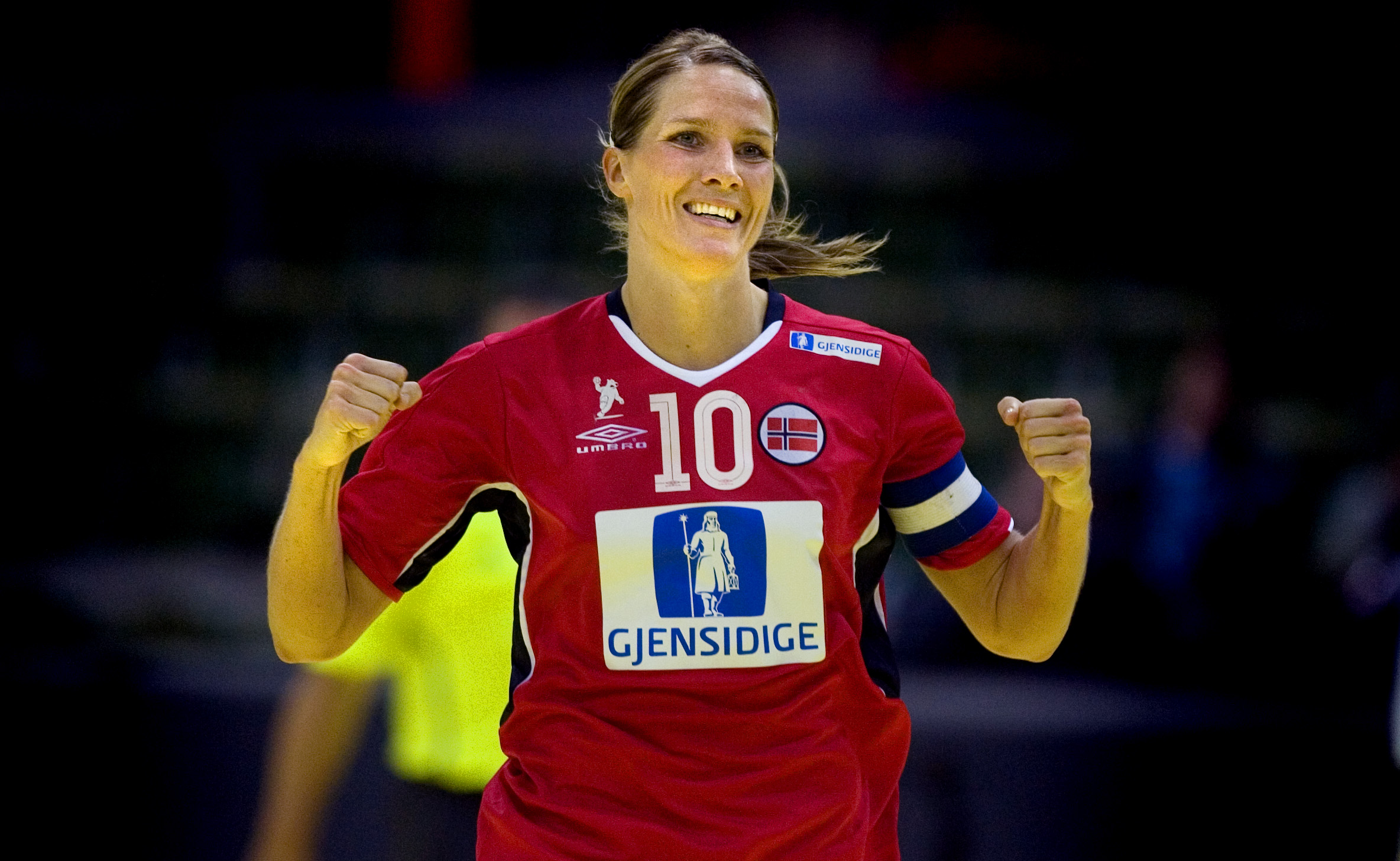
Photo: © Bildbyrån
Hammerseng was the ultimate two-way player and one of Norway’s most influential leaders of all time. She professionalized the role of the team captain and displayed monumental tactical maturity. By demanding the exact same excellence from her defensive work as she did from her offensive brilliance, she established the modern blueprint stating that a player must master all phases of the game to reach the absolute summit.
Anita Görbicz
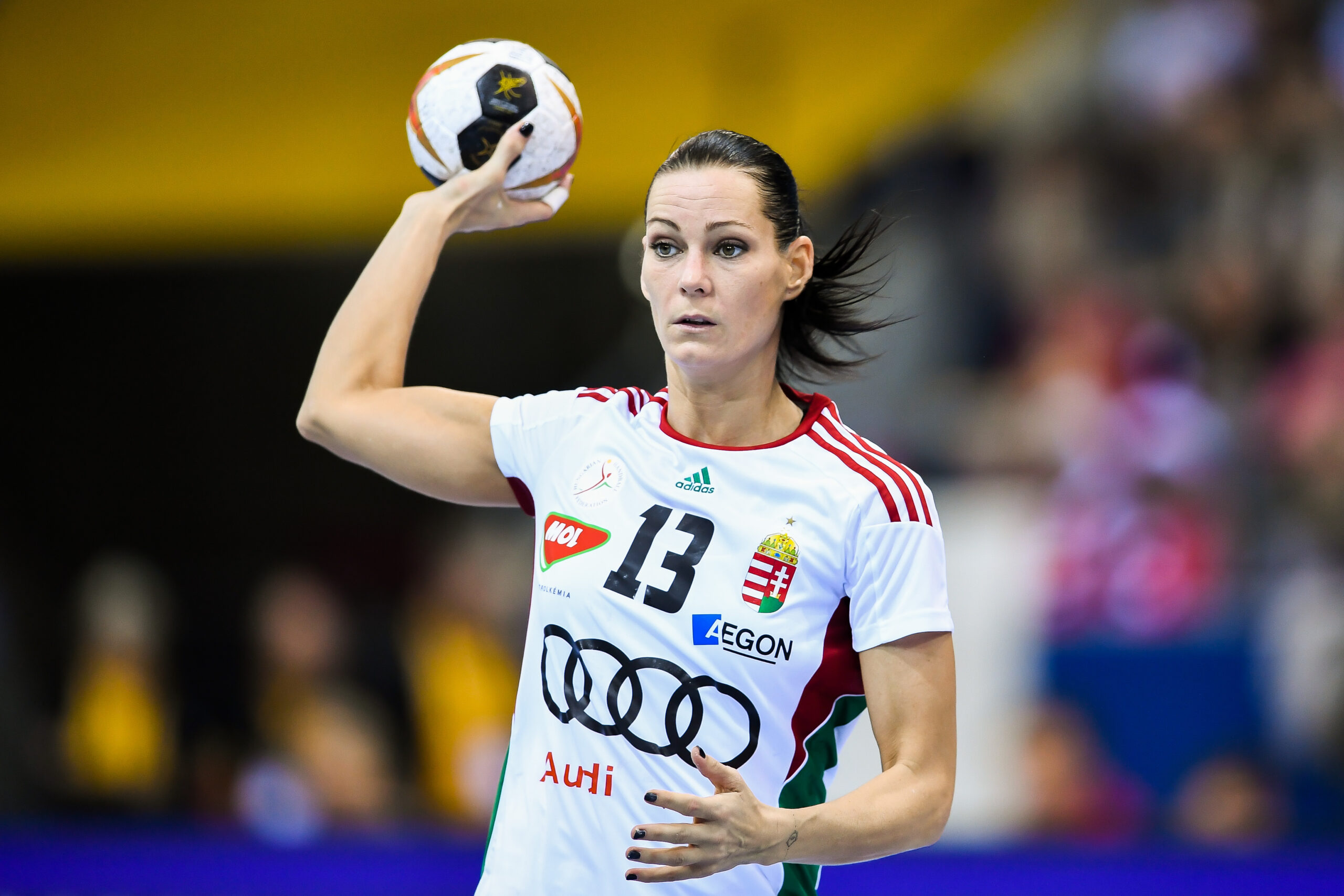
Photo: Carl Sandin / BILDBYRÅN
Hungary’s Anita Görbicz became widely known as the “Queen of the Wrist Shot” and took technical brilliance in the sport to unprecedented heights. Her wrists seemed to defy anatomical limits, and her precise passing and patented penalty-taking made her a global icon. Görbicz proved that finesse and pure technique could be completely unstoppable, inspiring young players worldwide to dare to try tricks.
Cecilie Leganger
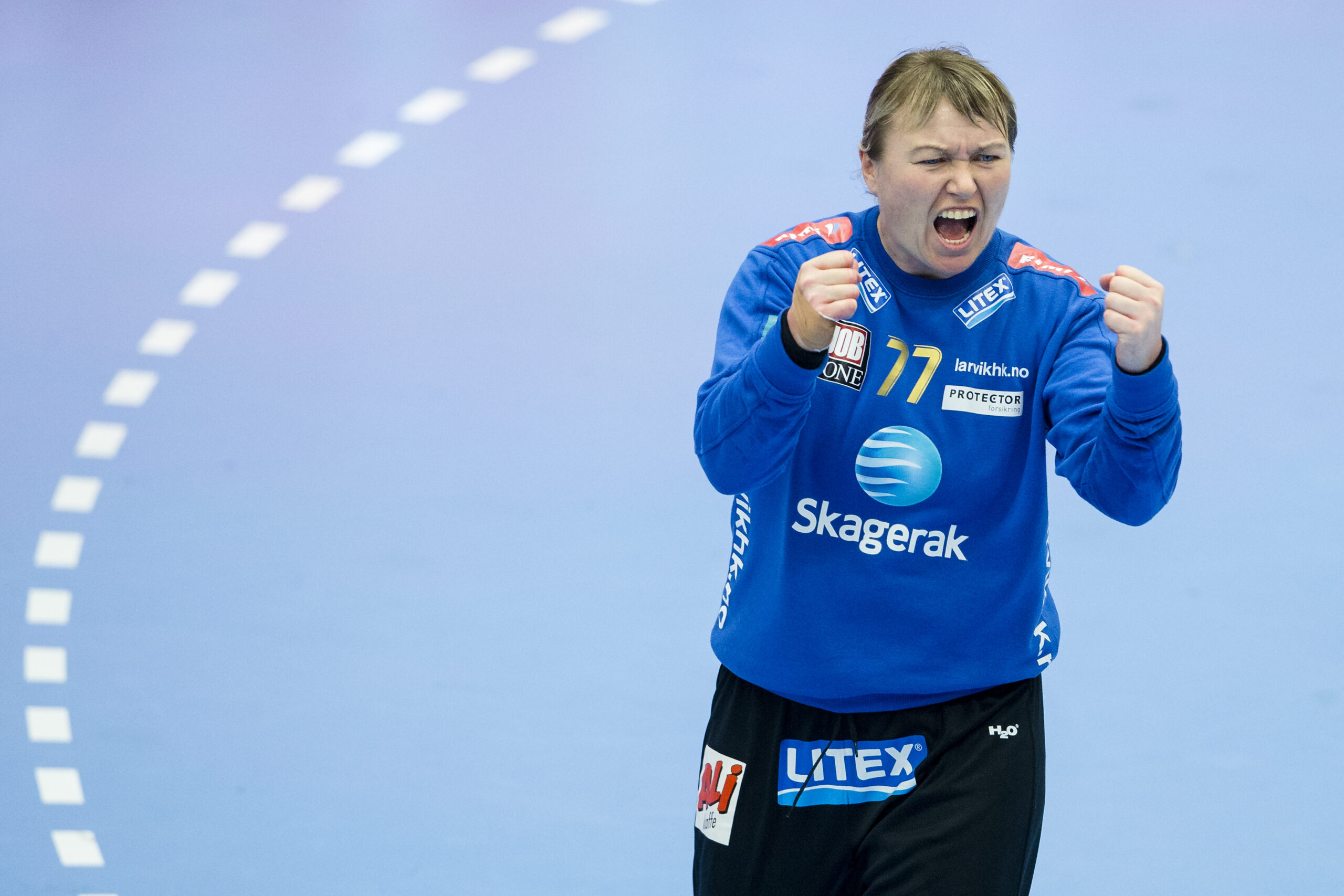
© Bildbyrån – Photo: Michael Erichsen / BILDBYRÅN
Goalkeeping in the women’s game experienced a total revolution with the arrival of Cecilie Leganger. Utilizing a completely unique, athletic style, lightning-fast reflexes, and groundbreaking positioning, she closed down the goal in a way no one thought possible. Her technical fundamentals and positional play formed an entirely new school of thought – a gold standard that most modern elite goalkeepers still study in detail today.
Stine Oftedal
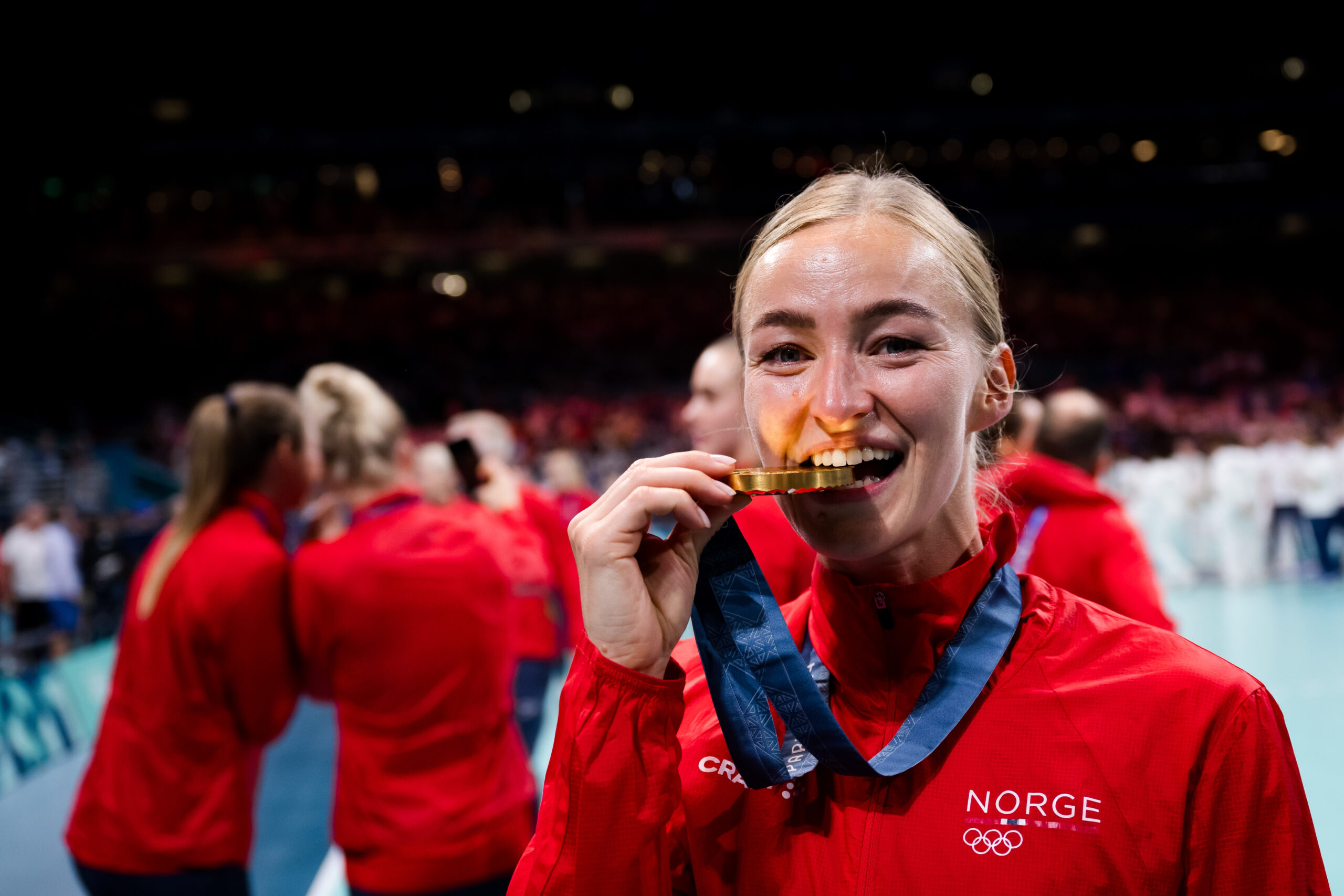
Photo: Maxim Thore / BILDBYRÅN
The Norwegian engine took the tempo of modern handball to a whole new dimension. With her extremely quick feet, rapid changes of direction, and a unique ability to make the correct tactical decisions at absolute maximum speed, she became the flawless template for the modern center back. Oftedal proved that speed of thought and foot is the most effective tool for dismantling compact, heavy defensive walls.
Zinaida Turtjina
As the mastermind and centerpiece of the legendary Soviet national team and Spartak Kiev during the 1960s, 70s, and 80s, Turtjina is one of the most successful players in history. She laid the actual groundwork for organized handball tactics, playmaking, and collective team structures. Her ability to orchestrate highly complex tactical systems proved how strategic, collective team play wins championships.
Katrine Lunde
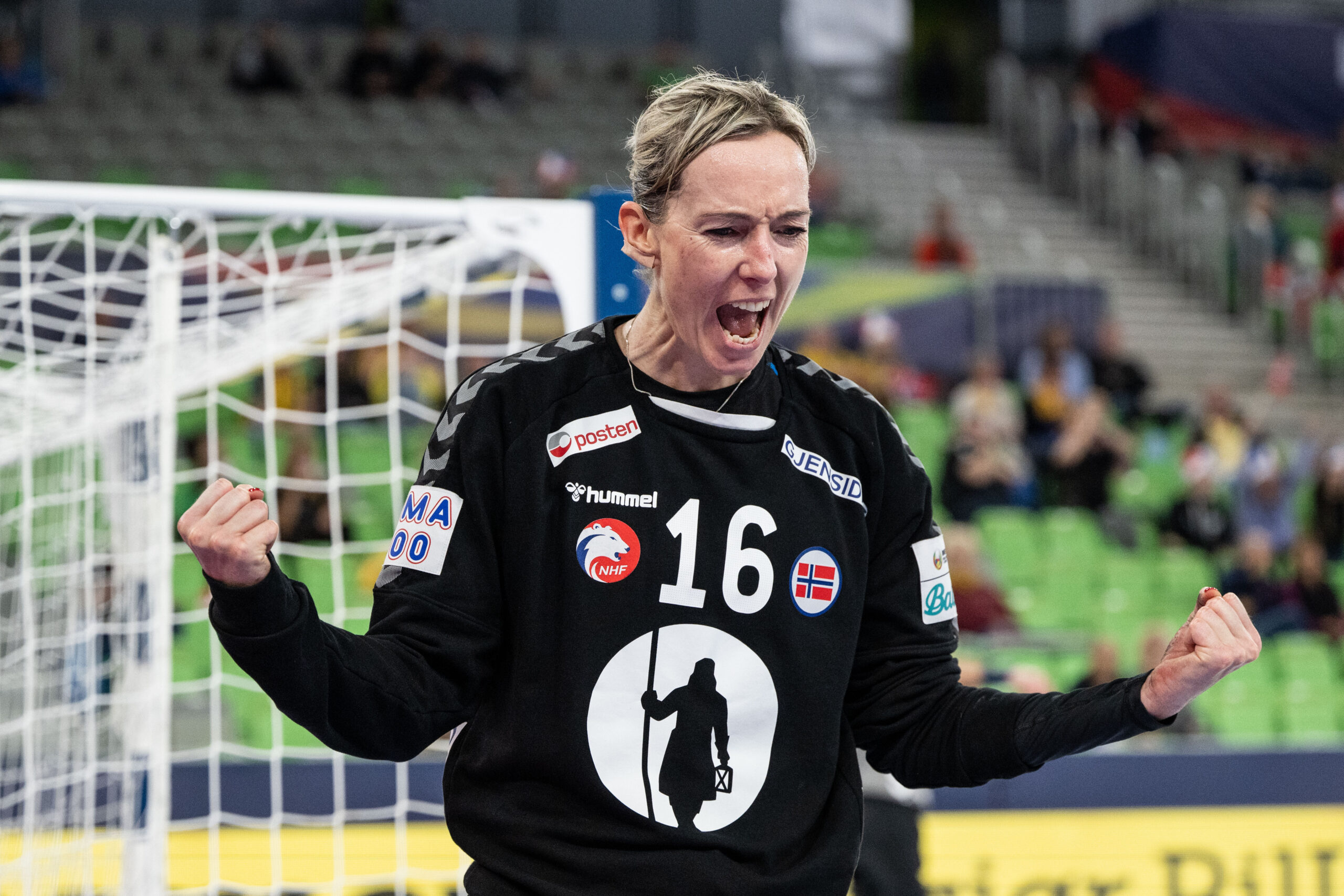
Photo: Jesper Zerman / BILDBYRÅN
Goalkeeping icon Katrine Lunde has fundamentally changed the perception of longevity and sustainability in elite sports. By remaining at the absolute peak of the world elite for over 20 years and continuing to collect gold medals long after others have retired, she has completely redefined age limits. Lunde has proved that goalkeeping at the highest level is just as much about experience, immaculate positioning, and mental strength as it is about youthful physics.