

Handball has evolved from a relatively static, power-oriented sport into a lightning-fast, highly tactical, and physical phenomenon. This transformation did not happen by accident. Behind the sport’s evolution are visionaries, athletes, and geniuses who refused to adapt to existing boundaries. Instead, they completely redrew the blueprint of the court. Here are ten of the men who changed the history of handball and shaped the game we love today.
To truly understand how modern handball became the spectacle it is today, one must look at the individual innovators who dared to play differently. For decades, the sport relied heavily on fixed positions, rigid tactical formations, and raw physical strength.
However, as the game transitioned into the 21st century, certain athletes began introducing traits like extreme agility, psychological dominance, and unprecedented speed of thought.
These ten individuals did not just win trophies; they forced rule makers, coaches, and opponents to completely re-evaluate their approach to the game, leaving a permanent legacy on the sport’s tactical DNA.
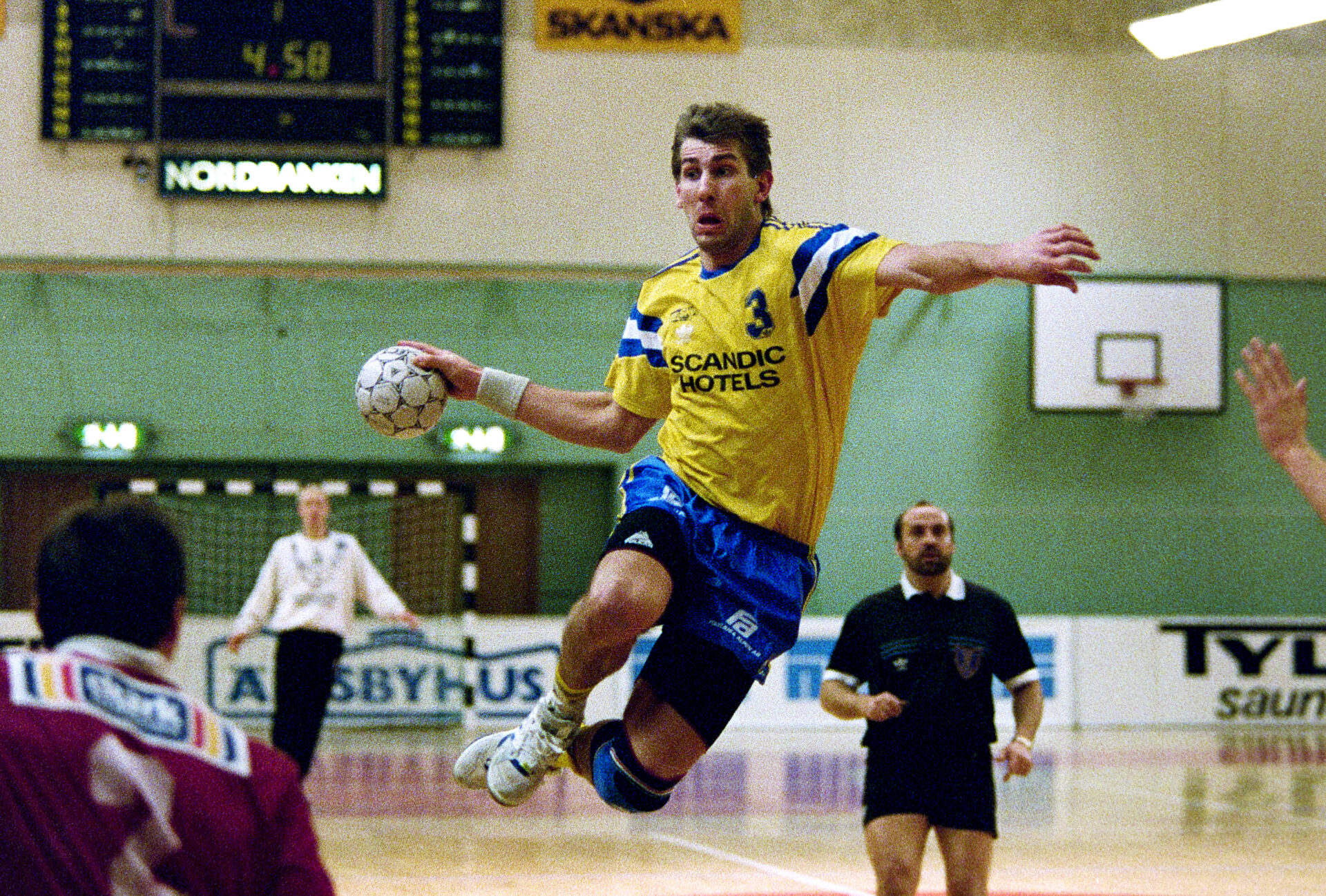
Magnus Wislander
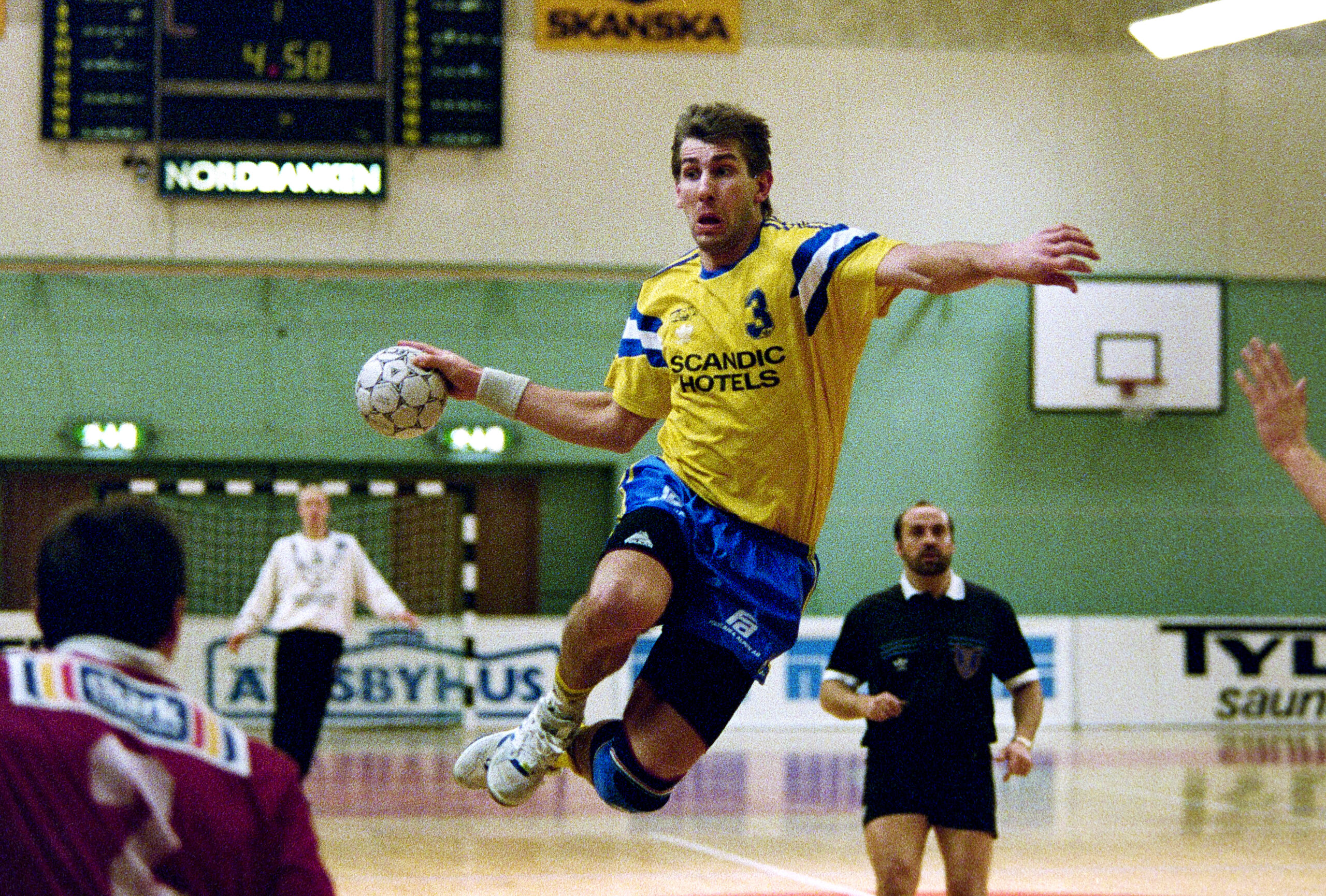
Foto: BILDBYRÅN
Sweden’s iconic “Slangen” (The Snake) was not only named the Player of the Century – he became the very definition of the modern line player (pivot). Before Wislander stepped onto the line, the position was traditionally reserved for massive, heavy players whose primary job was to block and absorb hits.
Wislander showed the world that a pivot could be incredibly technical, agile, and intelligent, completely revolutionizing how coaches worldwide view the line player’s role in the offensive system.
Nikola Karabatic
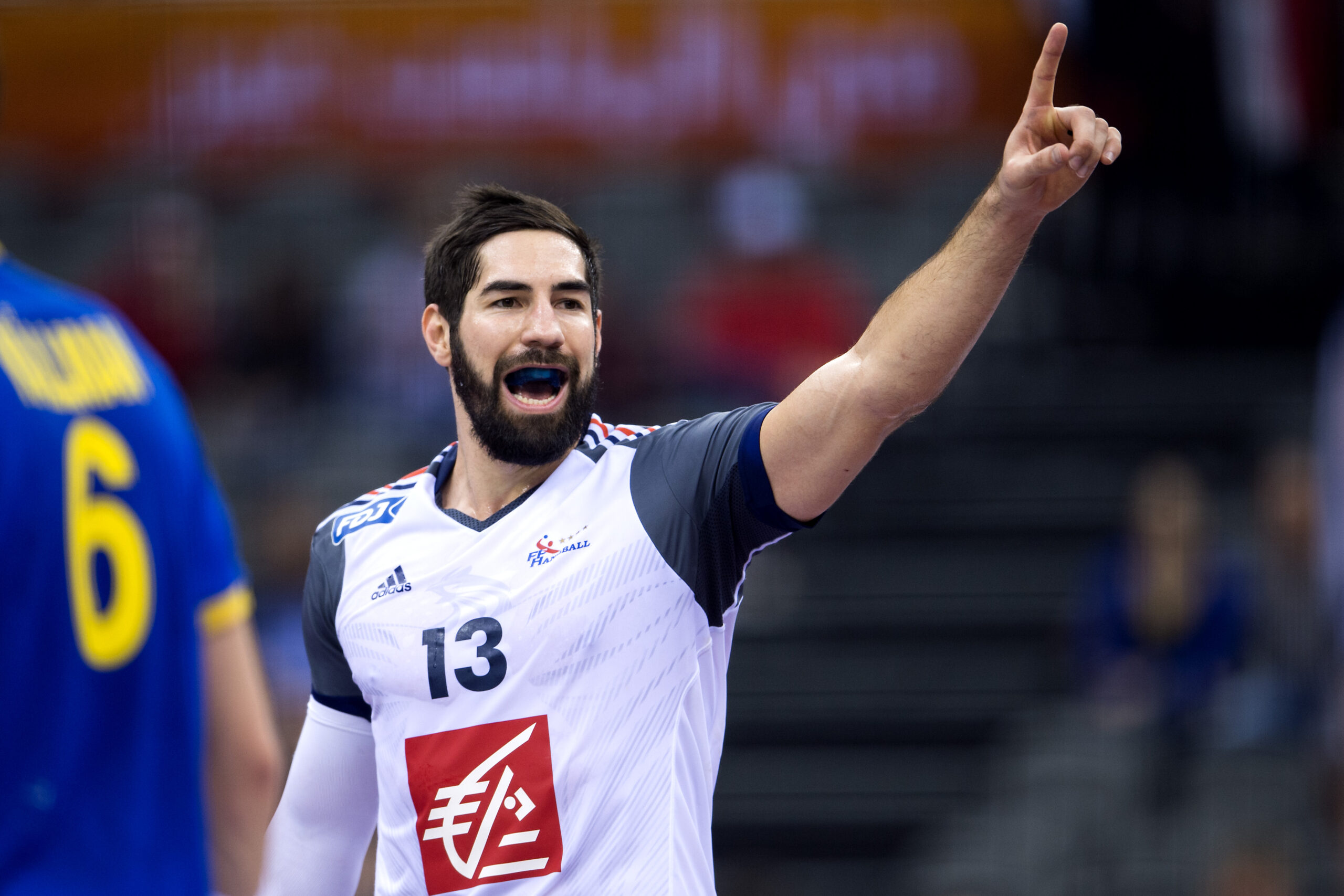
Photo: Carl Sandin / BILDBYRÅN
The Frenchman set an entirely new benchmark for what is known today as “power handball.” Karabatic combined a near-superhuman physicality with an absolute world-class court vision.
By being just as dominant and uncompromising in defense as he was in attack, he erased the old-school notion that superstars should be rested on the defensive end. He became the ultimate prototype for the complete two-way player of the modern, physical era.
Ivano Balić
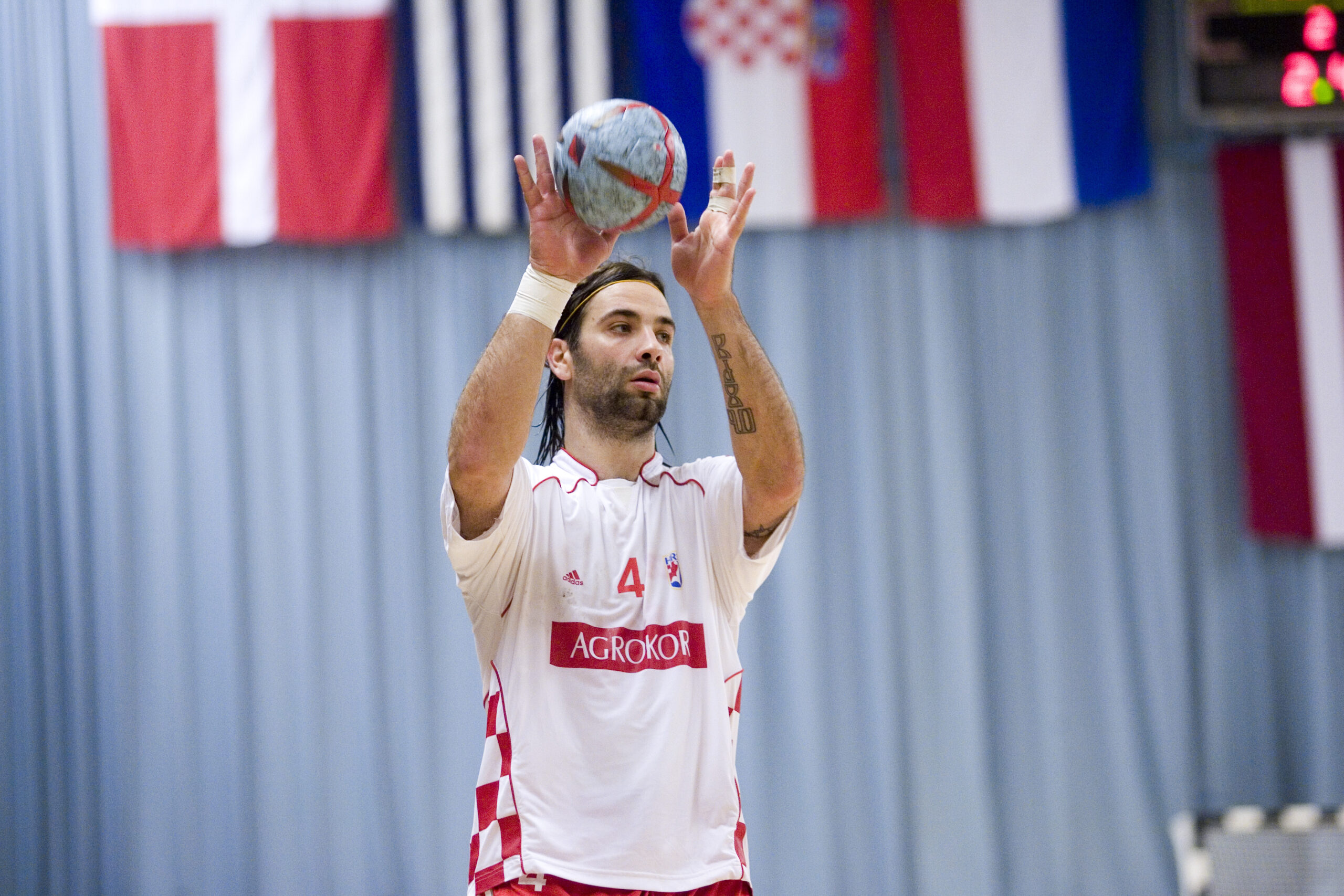
Photo: © Bildbyrån
If Karabatic was the definition of power, Ivano Balić was pure magic. Dubbed “The Mozart of Handball,” the Croat introduced a completely new dimension of creativity, intuition, and improvisation that the sport had never seen before.
Balić proved once and for all that genius court vision, hidden no-look passes, and unpredictable shots triumph over raw strength. He turned handball into an art form and inspired an entire generation of playmakers.
Jackson Richardson
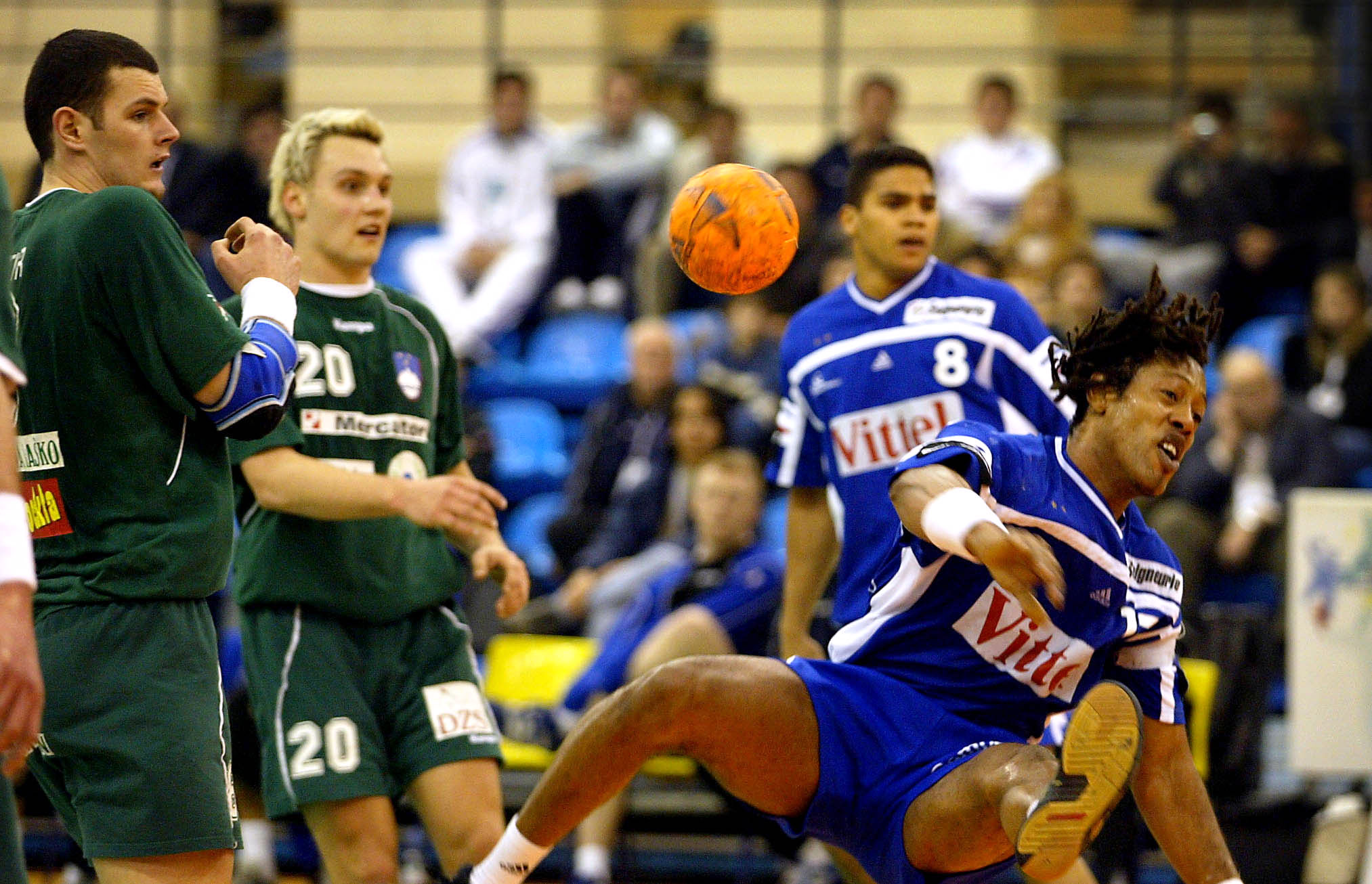
Photo: © Bildbyrån
The Frenchman with the characteristic dreadlocks revolutionized defensive play on a global scale. Operating as the “point” in a dynamic 5-1 defense, Richardson utilized incredible agility, anticipation, and timing to steal balls and disrupt the opponent’s build-up.
He introduced a more artistic, joyful, and creative “street handball” style. With his astounding 417 international caps, he also remains the player with the most national team appearances in world history.
Mikkel Hansen
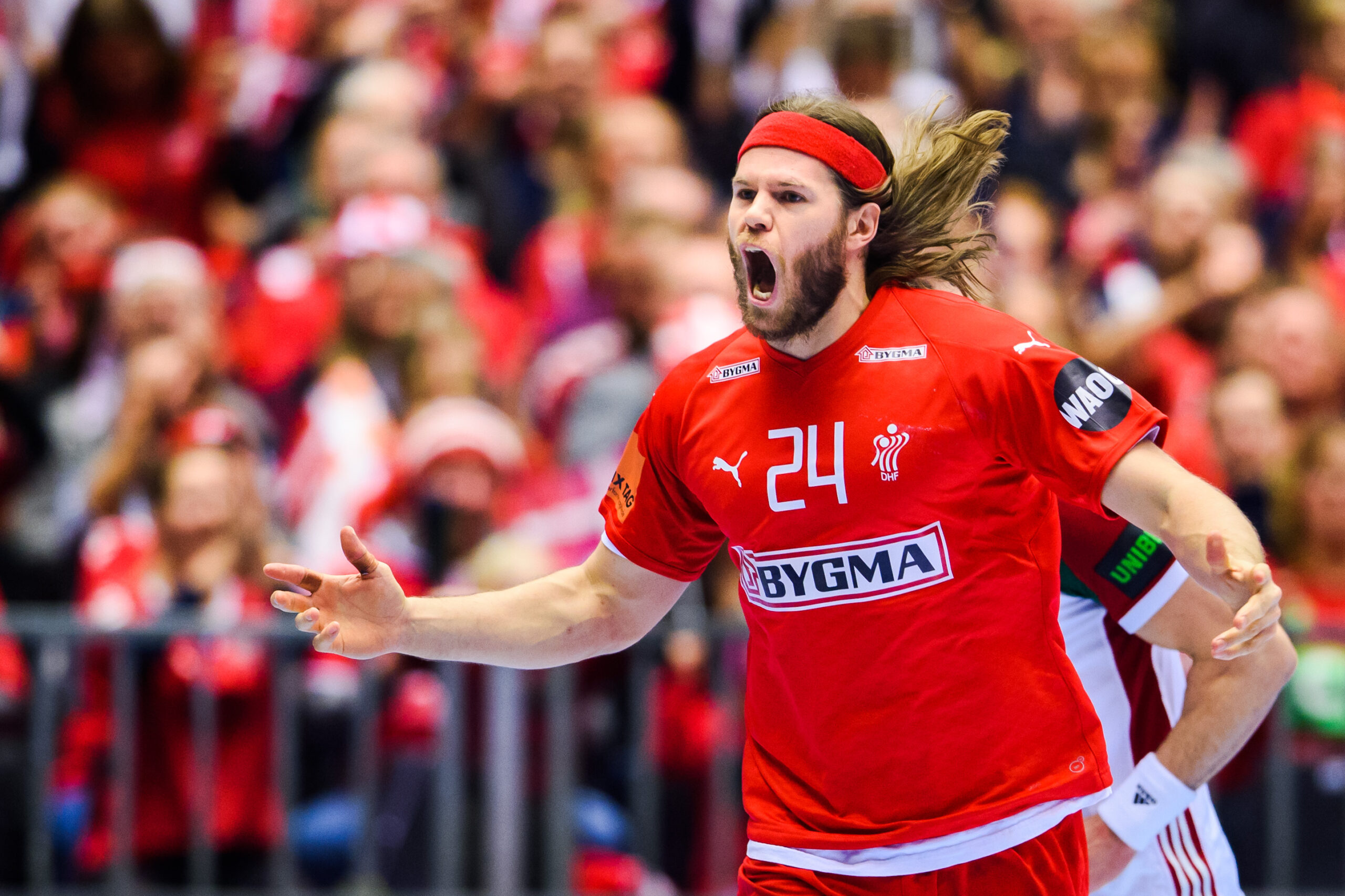
Photo: Petter Arvidson / BILDBYRÅN
The Danish scoring legend fundamentally changed the perception of what a backcourt shooter should be. Previously, a left back was primarily expected to jump high and shoot hard, but Hansen proved that a player could control matches in a much more nuanced way.
Possessing an incredibly varied shooting repertoire, mastering everything from lethal underarm shots to deceptive placements, combined with world-class passing abilities, he became the ultimate offensive engine.
Talant Dujshebaev
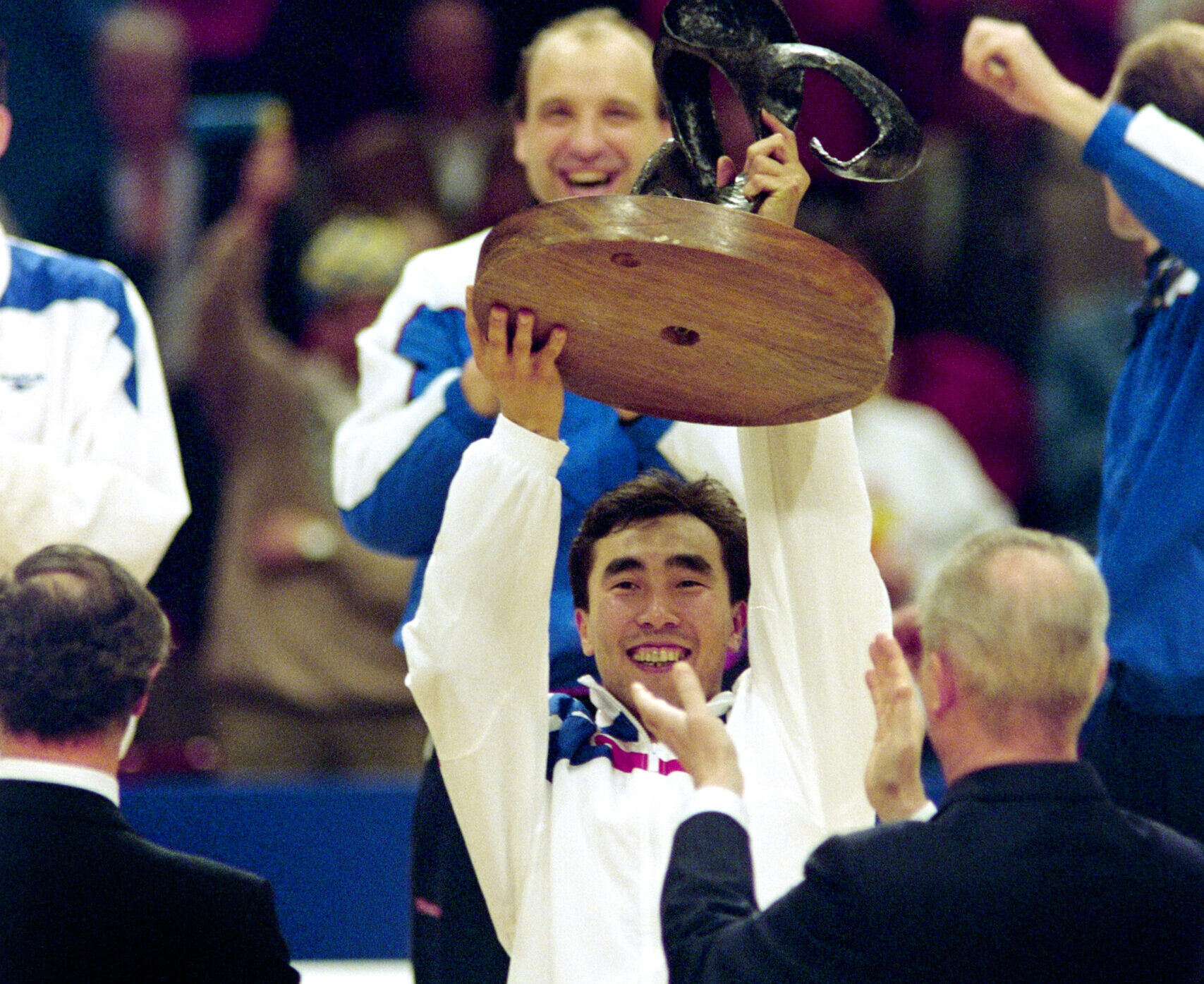
Photo: BILDBYRÅN
Dujshebaev was a true pioneer for the modern center back position. With his explosive drive and aggressive breakthrough play, he forced opposing defenses to push higher up the court and become more mobile, which opened up massive gaps.
By combining this constant scoring threat with brilliant, millimeter-precise passing, he laid the tactical foundation for how a modern playmaker dictates the tempo of the attack.
Thierry Omeyer
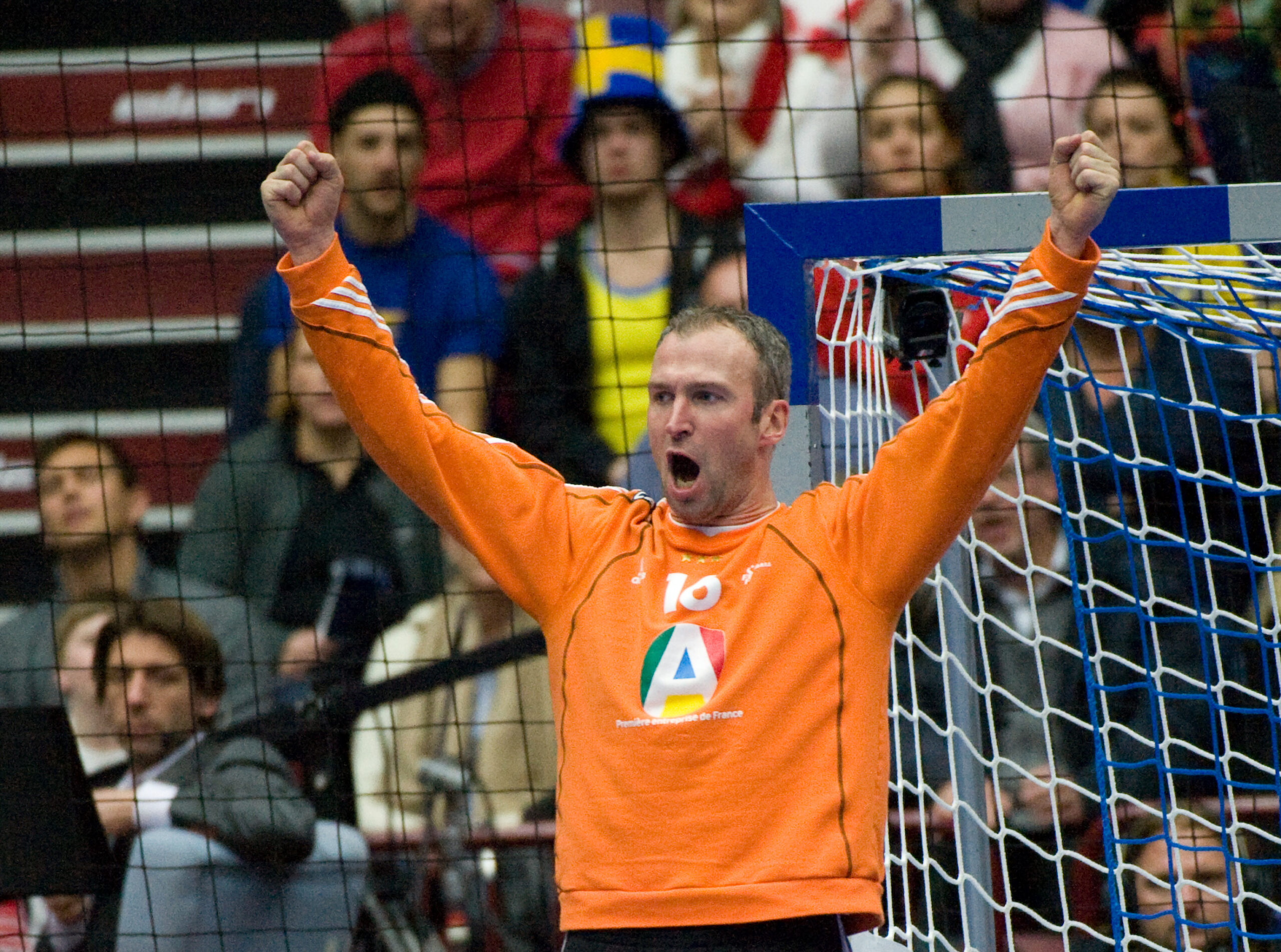
Photo: © Bildbyrån
Goalkeeping was never the same after Thierry Omeyer burst onto the international stage. The Frenchman transformed the position by introducing extremely explosive movements combined with psychological warfare directed at the shooters.
By intensely celebrating big saves and exploiting the mental weaknesses of his opponents, he turned the goalkeeper into the single most important asset for gaining a psychological edge in a match.
Olafur Stefansson
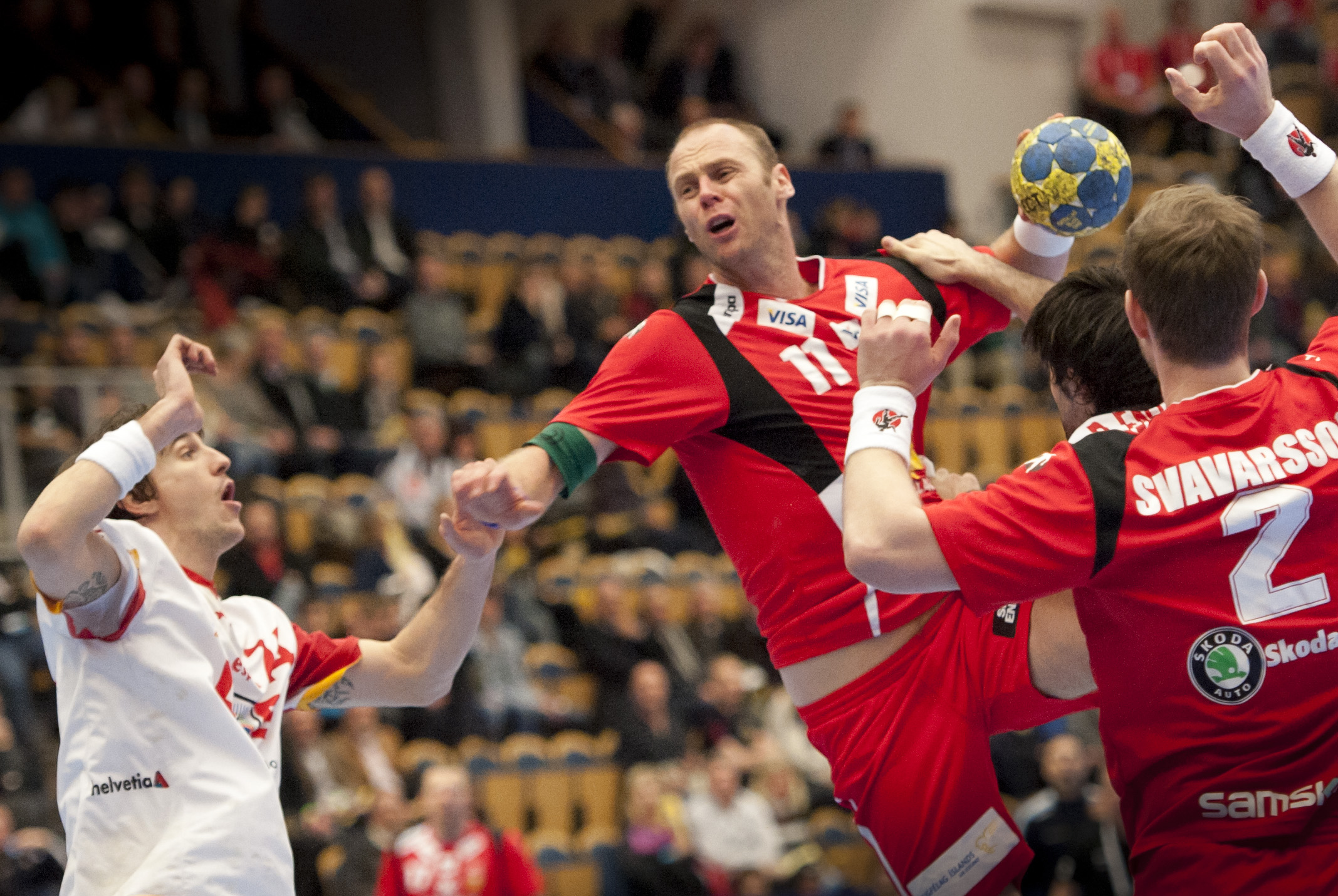
Photo: © Bildbyrån
The Icelandic legend Olafur Stefansson was the great intellectual of handball. Playing the right back position, he discarded raw force in favor of extreme precision, cunning, and tactical brilliance.
Through his unique cerebral approach to the game, he paved the way for modern, playmaker-style right backs and demonstrated that pure basketball-like court intelligence could dismantle even the most physical defensive systems.
Ljubomir Vranjes
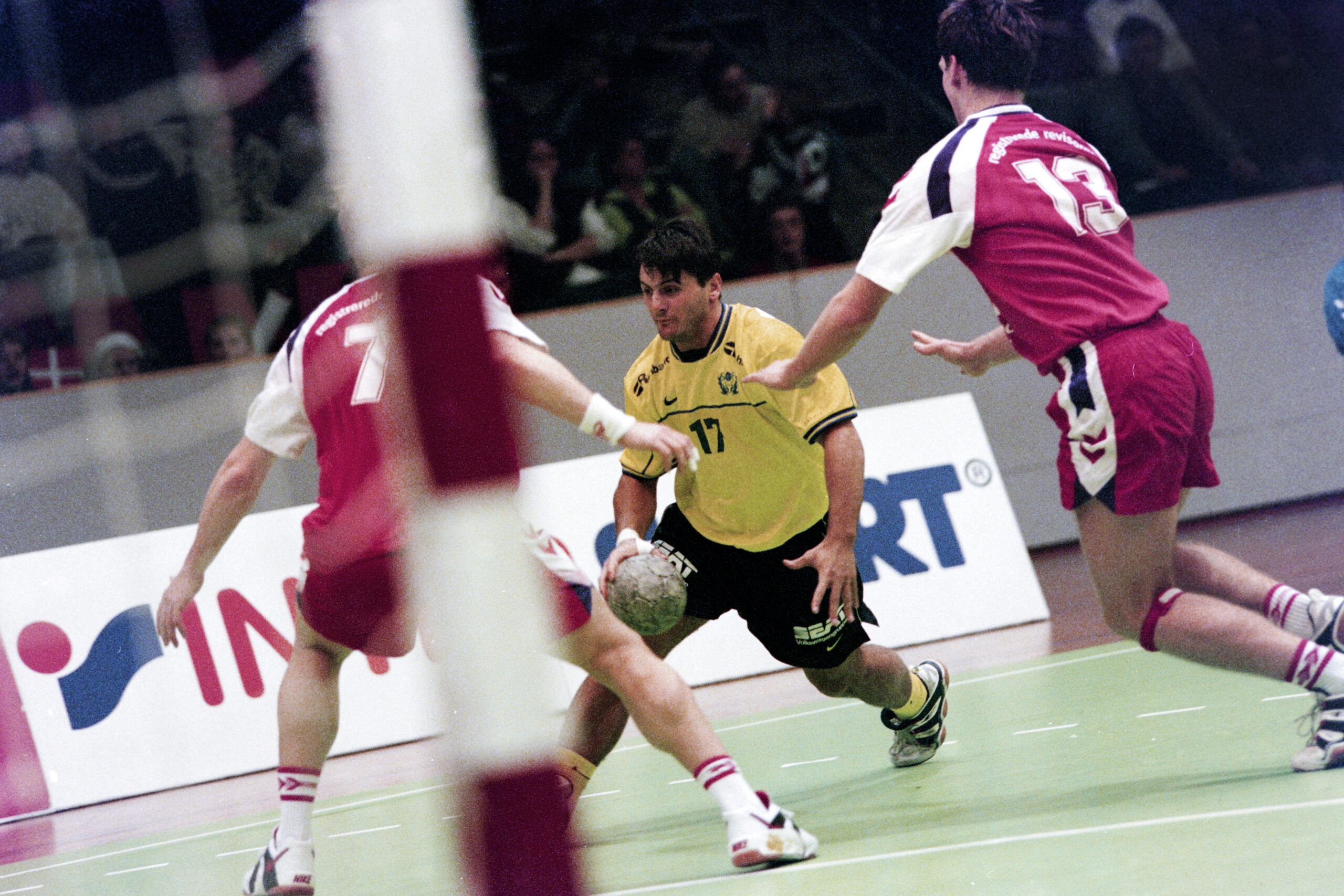
Foto: BILDBYRÅN
Sweden’s own “Flying Meatball” proved to the world that size is not everything in elite sports. Standing at just 166 centimeters, Vranjes showed that an extremely low center of gravity, explosive speed, and immense courage could dismantle the biggest and best defenses in the world. He changed the self-belief of shorter players everywhere and proved that quickness can be the sharpest weapon of all.
Didier Dinart
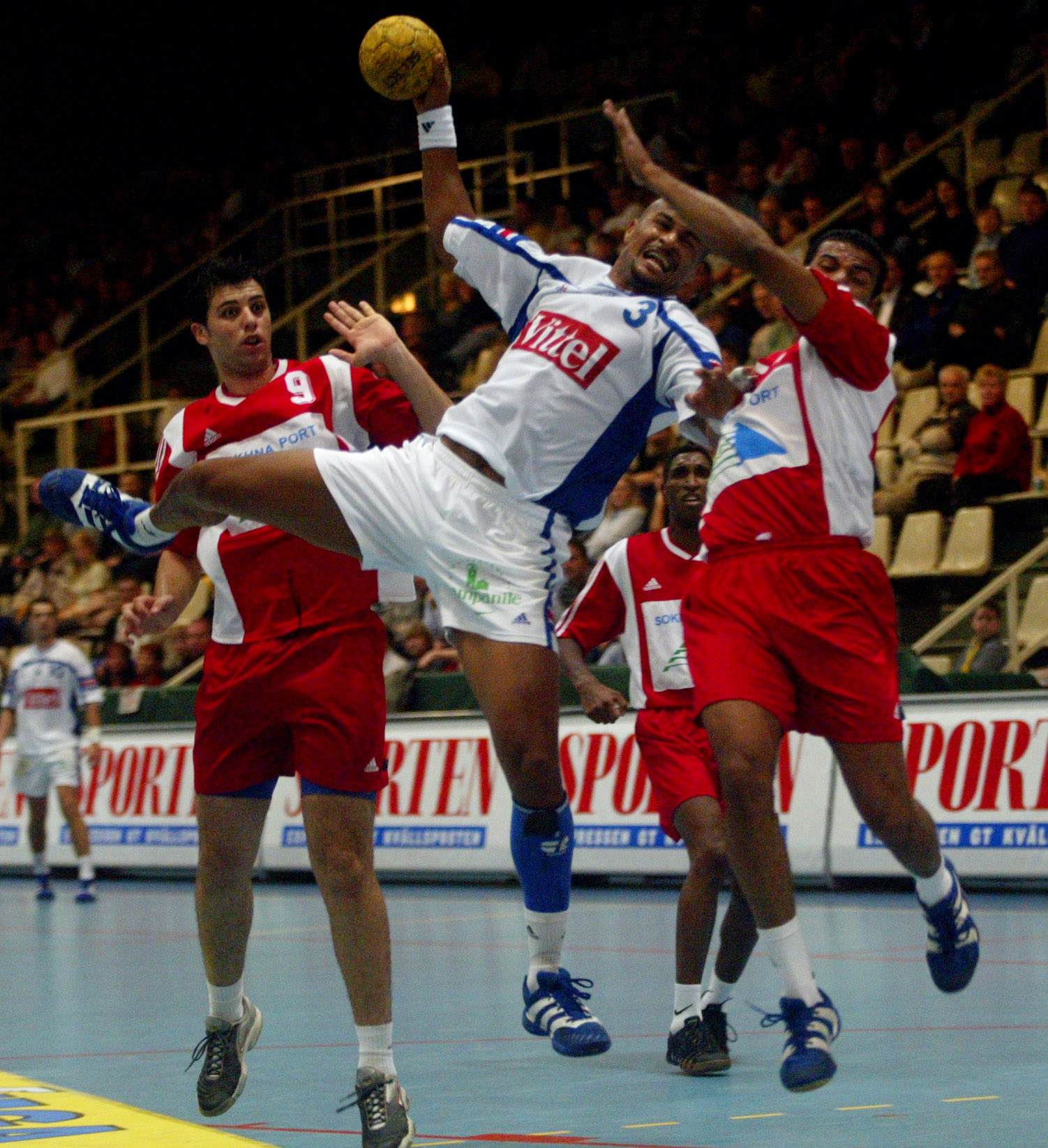
Photo: © Bildbyrån
The Frenchman Didier Dinart turned defending into a pure art form and personified the role of the “defensive general.” In a sport where goalscorers usually grab the headlines, Dinart proved that you can be the most valuable player in the world without even touching the ball in attack. He set the standard for the modern defensive specialist and proved the old adage that titles are won in front of your own goal.