

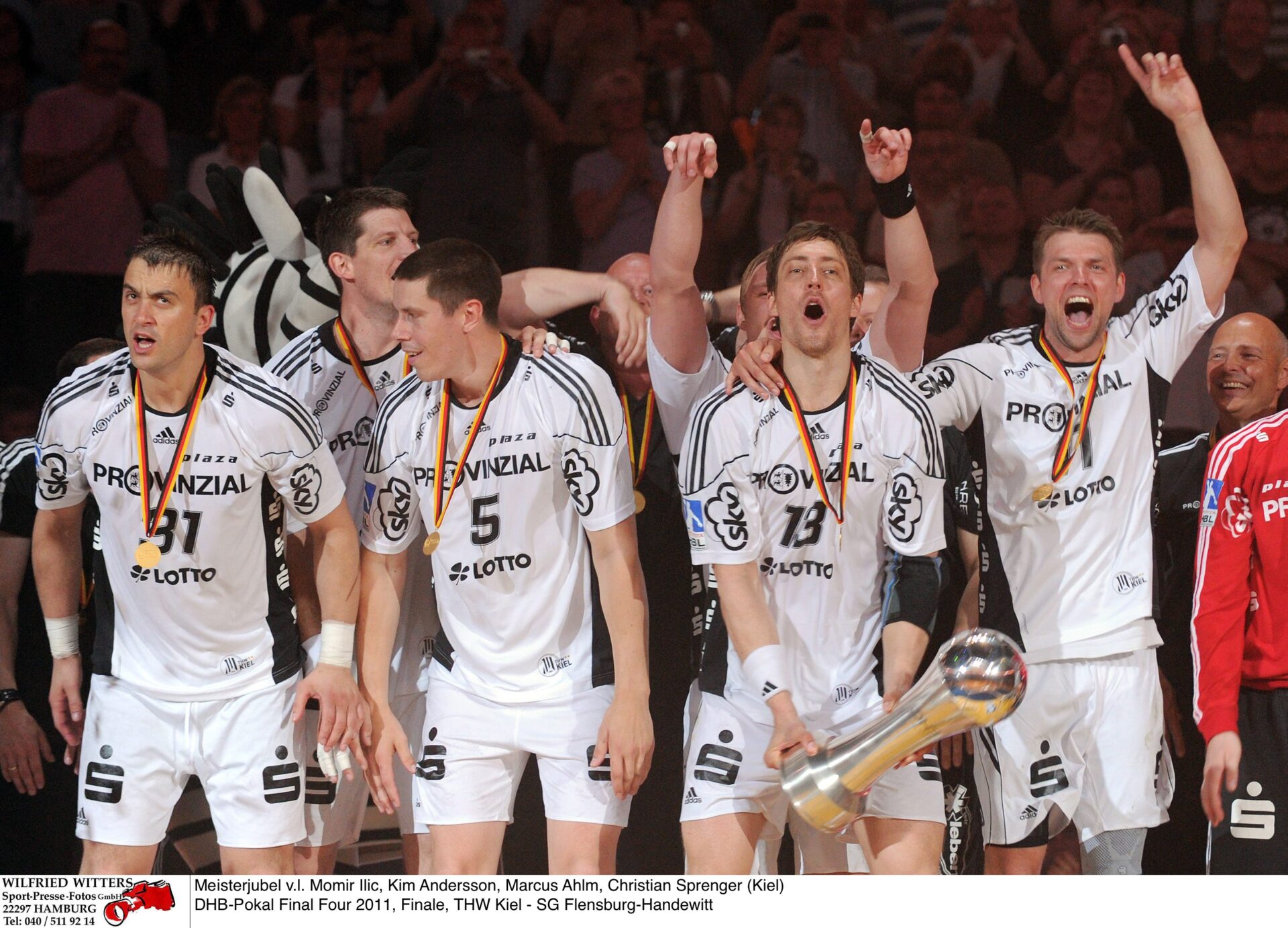
In European handball, success is often expected to follow size. Big cities, big budgets, big arenas. Yet history tells a different story. Some of the sport’s most dominant clubs were not born in capitals or major markets, but in smaller cities where handball became identity, structure, and long-term vision.
SG Flensburg-Handewitt
SG Flensburg-Handewitt was created in 1990 through a merger of local clubs close to the Danish border. That geographic position also shaped the club’s identity, with strong Scandinavian influence in both recruitment and playing style.
The rise to the European elite was not immediate. In the late 1990s and 2000s, the club built stability around long-term coaching and continuity in the squad. Coaches like Kent-Harry Andersson and later Ljubomir Vranjes helped define a clear tactical identity.
Players such as Lars Christiansen, Frank Waldoff, and later generations of Scandinavian leaders became symbols of that system. Rather than chasing constant rebuilds, Flensburg relied on chemistry and consistency.
Sponsors and regional backing also played a key role, allowing the club to compete financially with bigger German cities while keeping its small-city identity intact. Their Champions League title in 2014 was the peak of that long-term project. Today, Flensburg remains a model of stability in European handball.
SC Magdeburg

SC Magdeburg is one of the most historically significant clubs in handball, with roots in East German dominance and a strong institutional culture dating back decades.
The early 2000s success, including the 2002 Champions League title, was built on a disciplined system and strong defensive structure under coach Alfred Gíslason. Key players like Stefan Kretzschmar and others defined an era of intensity and identity.
After a period of decline, the club’s modern rebuild under Bennet Wiegert became a textbook case of internal development. Rather than heavy external spending, Magdeburg focused on structure, academy integration, and tactical clarity.
Long-term sponsors and the city’s deep handball culture supported the rebuild. The 2023 Champions League victory confirmed Magdeburg as a club that succeeds through system and continuity rather than market size.
Győri Audi ETO KC
Győri Audi ETO KC represents one of the clearest examples of how investment, sponsorship, and structure can transform a small city into a European capital of handball.
The key turning point came when major sponsors stabilized the club financially, allowing long-term planning. This shifted Győr from a strong domestic team into a European powerhouse.
Players such as Anita Görbicz became club icons, while international stars like Katrine Lunde, Heidi Løke, and Stine Oftedal elevated the team into a dynasty. Coaches like Ambros Martín helped build a system that combined discipline with attacking freedom.
Unlike many clubs, Győr maintained consistency over time, allowing success to become structural rather than cyclical. Today, they remain the benchmark in women’s handball.
Vipers Kristiansand
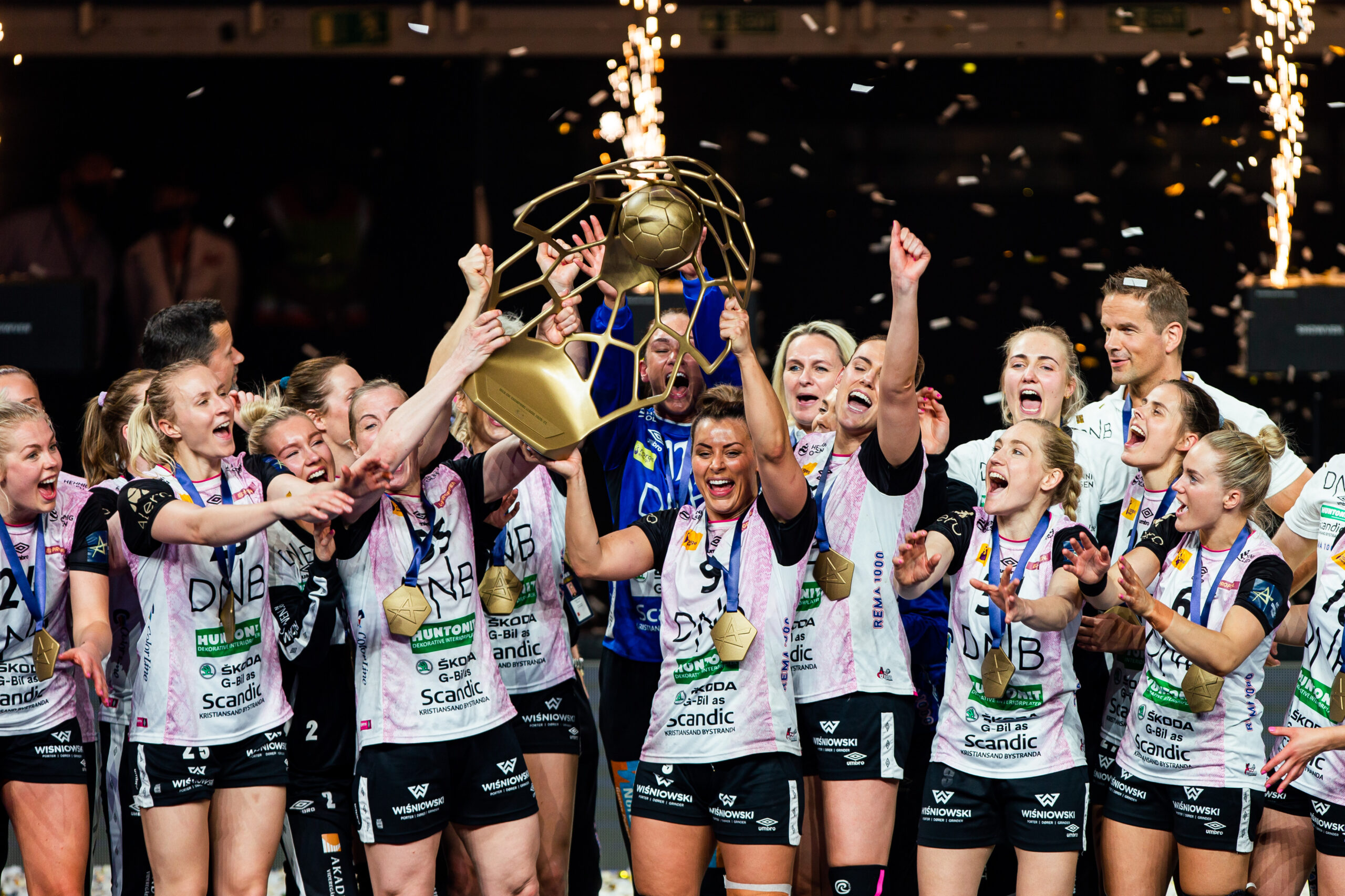
Photo: Nikola Krstic / BILDBYRÅN
Vipers Kristiansand is one of the most modern success stories in European handball.
The club’s rise was supported by a combination of local investment, strong Norwegian handball infrastructure, and a clear sporting direction. While not built on massive corporate sponsorship in the early phase, the structure allowed rapid growth.
Key players like Nora Mørk, Katrine Lunde, and Henny Reistad became central figures in turning Vipers into a Champions League-winning team. Coaches such as Ole Gustav Gjekstad built a system based on speed, intensity, and tactical clarity.
The club’s financial difficulties in recent years highlight how fragile even successful small-city projects can be, but their peak remains one of the most impressive rises in modern women’s handball.
Veszprém
Veszprém KC is one of Europe’s most ambitious clubs without ever fully winning the Champions League.
Strong financial backing from major Hungarian sponsors and consistent investment allowed Veszprém to build elite squads over decades. The club has attracted world-class players such as László Nagy, Arpad Šterbik.
Coaches have changed frequently, but the ambition has remained constant: Champions League victory or failure. Despite multiple Final Four appearances and lost finals, the club’s structure keeps it permanently in the European elite.
Today, Veszprém is still defined by one goal that has shaped its entire modern history.
THW Kiel

THW Kiel is not from a capital city, but from one of the strongest handball regions in Europe.
The club’s golden era in the 2000s and early 2010s was built under coaches like Alfred Gíslason, supported by elite recruitment and long-term squad building. Players such as Nikola Karabatić, Filip Jícha, and Dominik Klein defined a generation.
Strong regional sponsorships and a deeply rooted fan culture made Kiel financially stable while maintaining sporting dominance. The club’s identity is built on discipline, consistency, and elite execution in big moments.
Even today, Kiel remains a benchmark for how a “handball city” can sustain success over decades.
BM Ciudad Real
BM Ciudad Real was one of the most extreme examples of a project club in European handball.
Built in the early 2000s with strong financial backing, the club quickly assembled a superstar team including players like Talant Dujshebaev and Rolando Urios. The project was led by ambitious ownership and heavy investment aimed at immediate European dominance.
The strategy worked instantly, with multiple Champions League titles and a team that dominated Europe for several years.
However, the lack of long-term structural stability eventually led to the relocation and disappearance of the club in its original form. Ciudad Real remains a key example of how financial power can rapidly reshape the European hierarchy, but also how fragile project-based success can be.
Aalborg Håndbold
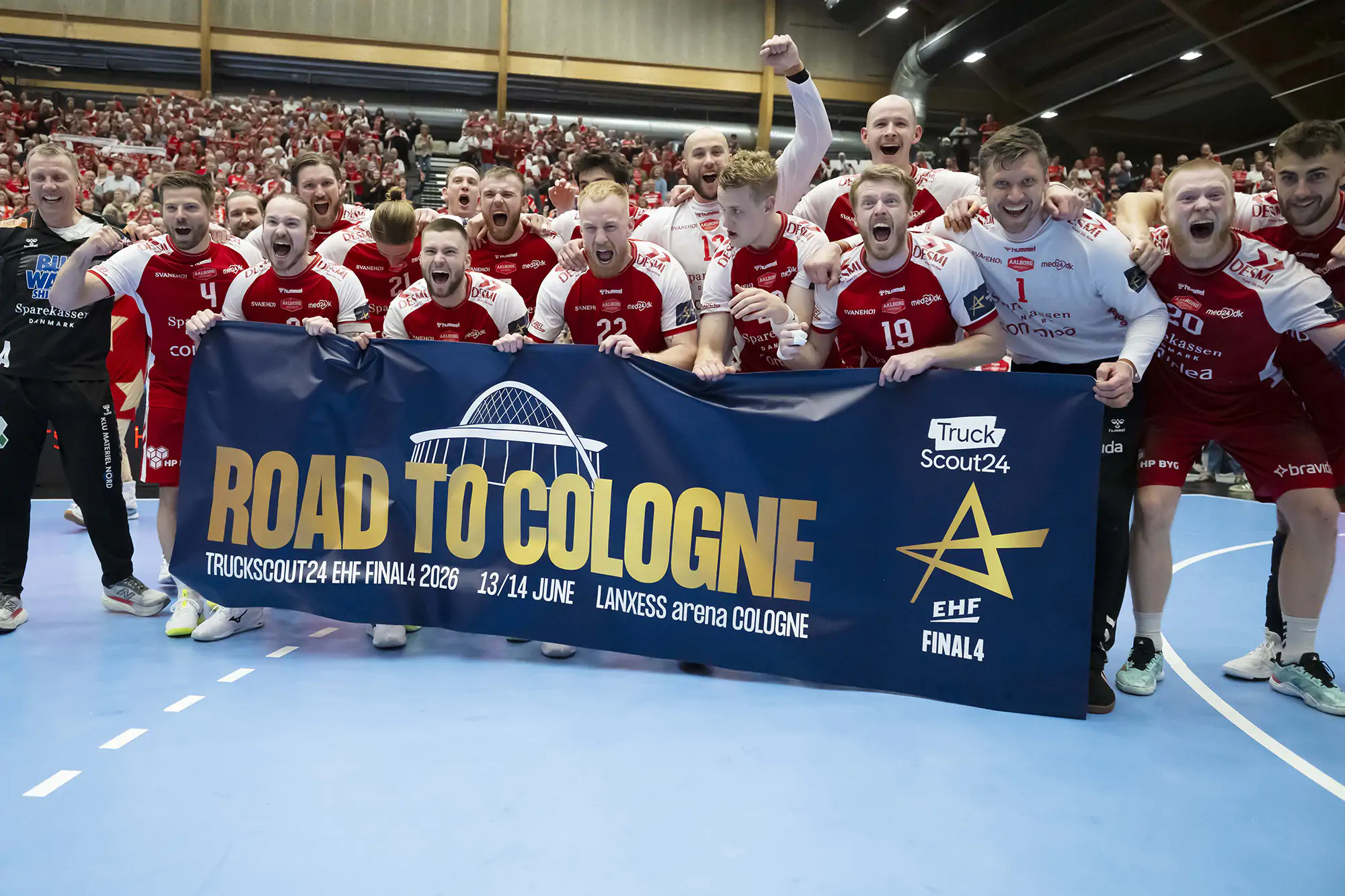
Photo: Aalborg Håndbold
Aalborg Håndbold represents the most modern version of a small-city Champions League contender.
Unlike many historical cases built over decades, Aalborg’s rise has been deliberate and data-driven. The club combined Denmark’s strong development system with smart international recruitment, creating a squad capable of competing immediately at the top level.
Reaching the Champions League final in 2021 marked their breakthrough, but the more important development has been consistency. Aalborg has remained a regular contender in the European elite, proving that success does not require being a capital club, only a clear system and long-term direction.